MCP: From Spec to Incident to Governance
Five episodes. One complete story. Everything Anthropic shipped, everything that broke, and the governance layer nobody built.
The Episodes
The Local Jarvis: 3 Recipes for a Voice Assistant That Doesn't Have to Phone Home
Local is not a security policy. Three recipes for a voice assistant that doesn't have to phone home, with an honest look at what each one actually protects (and what it doesn't).
MCP 101: I Read the Documentation So You Don't Have To
What the spec actually says. The N x M problem. Why USB-C for AI is the right analogy and where it breaks down.
MCP 102: Claude Already Knows
Claude Code ships with MCP built in. Your IT team does not know yet. Here is what that means.
MCP 103: I Gave Claude Code Someone Else's Tools
Three community servers. One sentence. No change request. No audit trail. Three systems acted.
Your Policy Isn't Ready: Everything Anthropic Shipped in March 2026
Claude 3.7, Claude Code, updated usage policy — same month. Your governance docs did not keep up.
The Security Framework
These visuals live in MCP 201. They also stand alone.
MCP Security Series: From Spec to Safety System
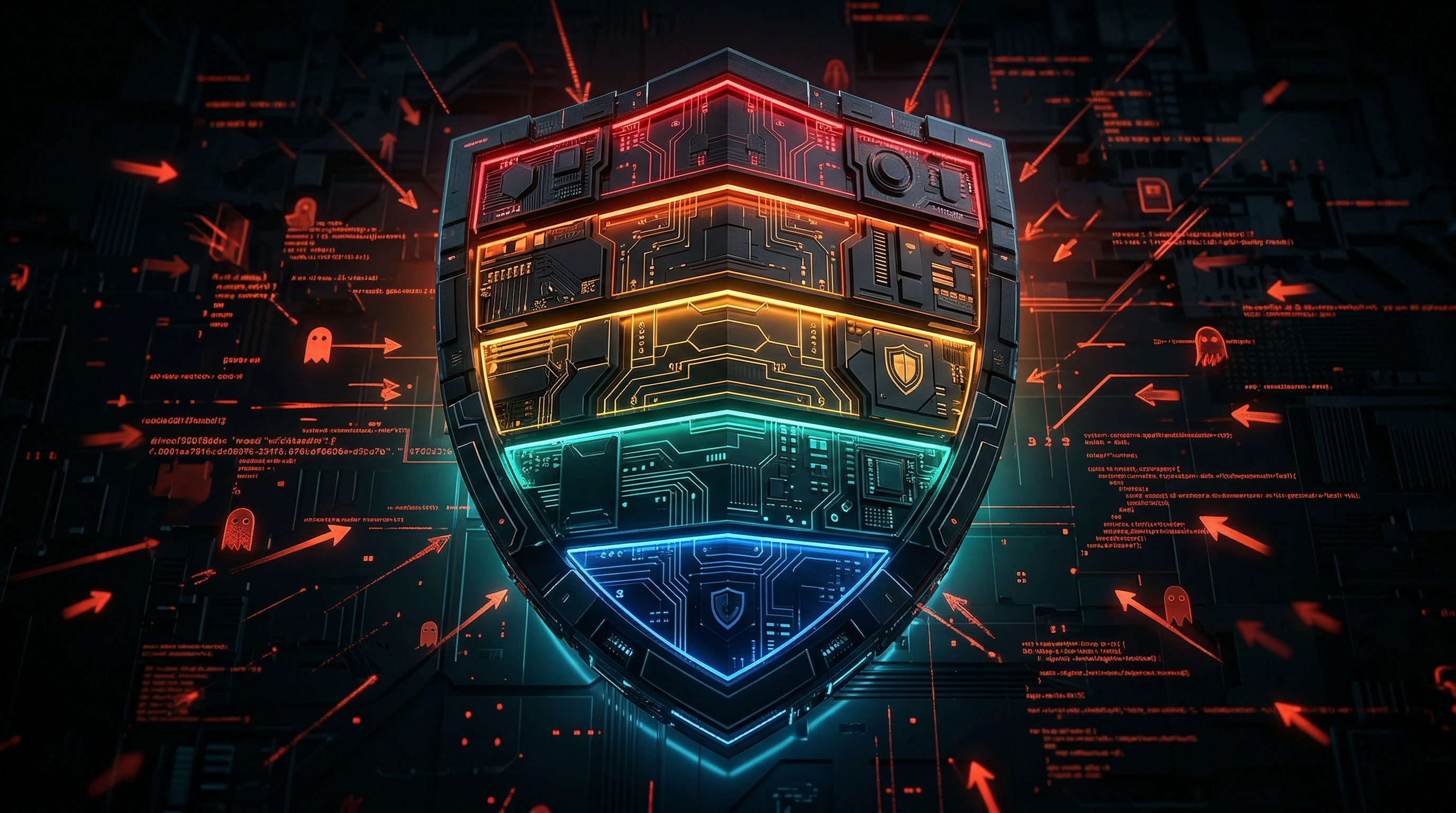
The Five Layers
Not an MCP feature. Your infrastructure.
If one layer fails, the others still hold.
Where Are You Today?
Most organizations are Stage 0 or 1.
Three Ways MCP Goes Wrong
The Content Injector
Hides instructions in tickets, emails, GitHub issues.
The Supply Chain Attacker
Fake or compromised MCP servers.
The Over-Helpful Agent
Too many tools, too many permissions, no guardrails.
"The agent did exactly what you told it to do. That is the whole problem."
Free Resources
Take these back to your team.
Stage 0 MCP Self-Assessment
Six yes/no questions. Run it against any MCP server in production or in your lab.
More than two NOs = Stage 0 in production.
MCP Server Review Template
Use this before approving any new MCP server for your environment.
| Server | Owner | Data Domains | Scopes | Auth Method | Logging | DLP | Risk |
|---|---|---|---|---|---|---|---|
| GitHub MCP | [your team] | Source code, issues, PRs | repo:read (separate from repo:write) | OAuth 2.1 short-lived token | Y | Y | High |
MCP Minimal Governance Policy
Paste this into your internal docs. Edit the brackets. It is a starting point, not a legal document.
MCP MINIMAL STANDARD (v1.0)
- ALLOWLIST: All MCP servers must be registered in the approved catalog with a documented owner, data domains, and permitted scopes before connecting to any production environment.
- AUTHENTICATION: All MCP servers must use OAuth 2.1 with short-lived, scoped tokens. Static API keys and long-lived credentials are not permitted.
- SCOPES: Read and write permissions must be separate tokens. No wildcard scopes (e.g., crm.* is not permitted; crm.read and crm.write are required separately).
- LOGGING: All MCP tool calls, parameters, and responses must be logged with trace IDs and fed into [your SIEM].
- DLP: Tool outputs must pass PII and sensitive data checks before leaving the platform.
- KILL SWITCH: Every registered MCP server must have a documented procedure for revocation or shutdown within 10 minutes of an incident flag.
More episodes coming soon.
Multi-agent patterns, cost architecture, and the governance frameworks that actually shipped. Get notified when it drops.
Subscribe free on SubstackFree. No spam. Unsubscribe whenever.